What we do
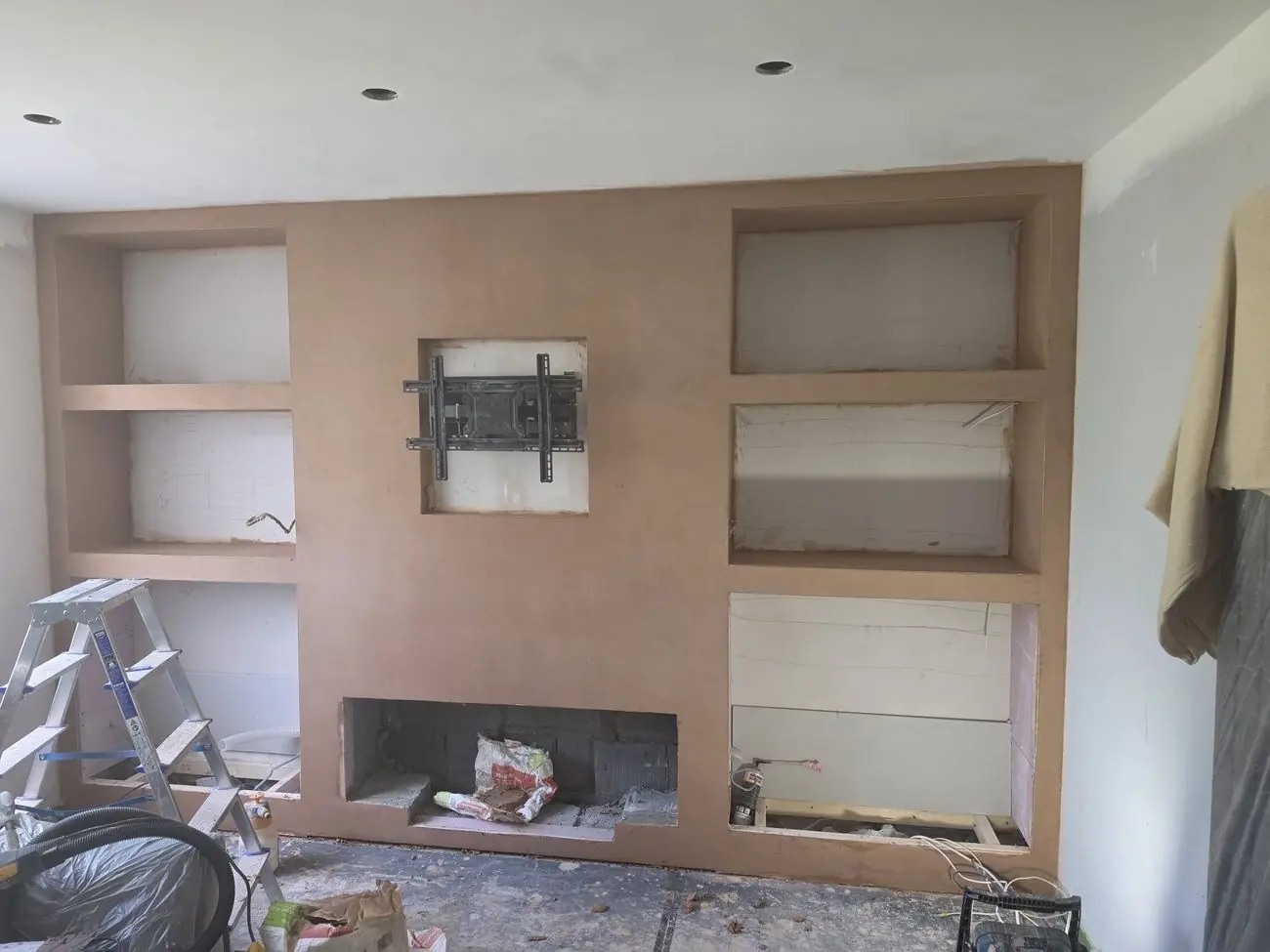
Most of our plastering work is one of four jobs. A ceiling that has cracked or been damaged by a leak and needs skimming. A room where the old plaster has blown and has to come off before anything new goes on. A patch where a wall has been chased, a door blocked up or a fireplace taken out. Or a new stud wall that needs boarding and skimming from scratch.
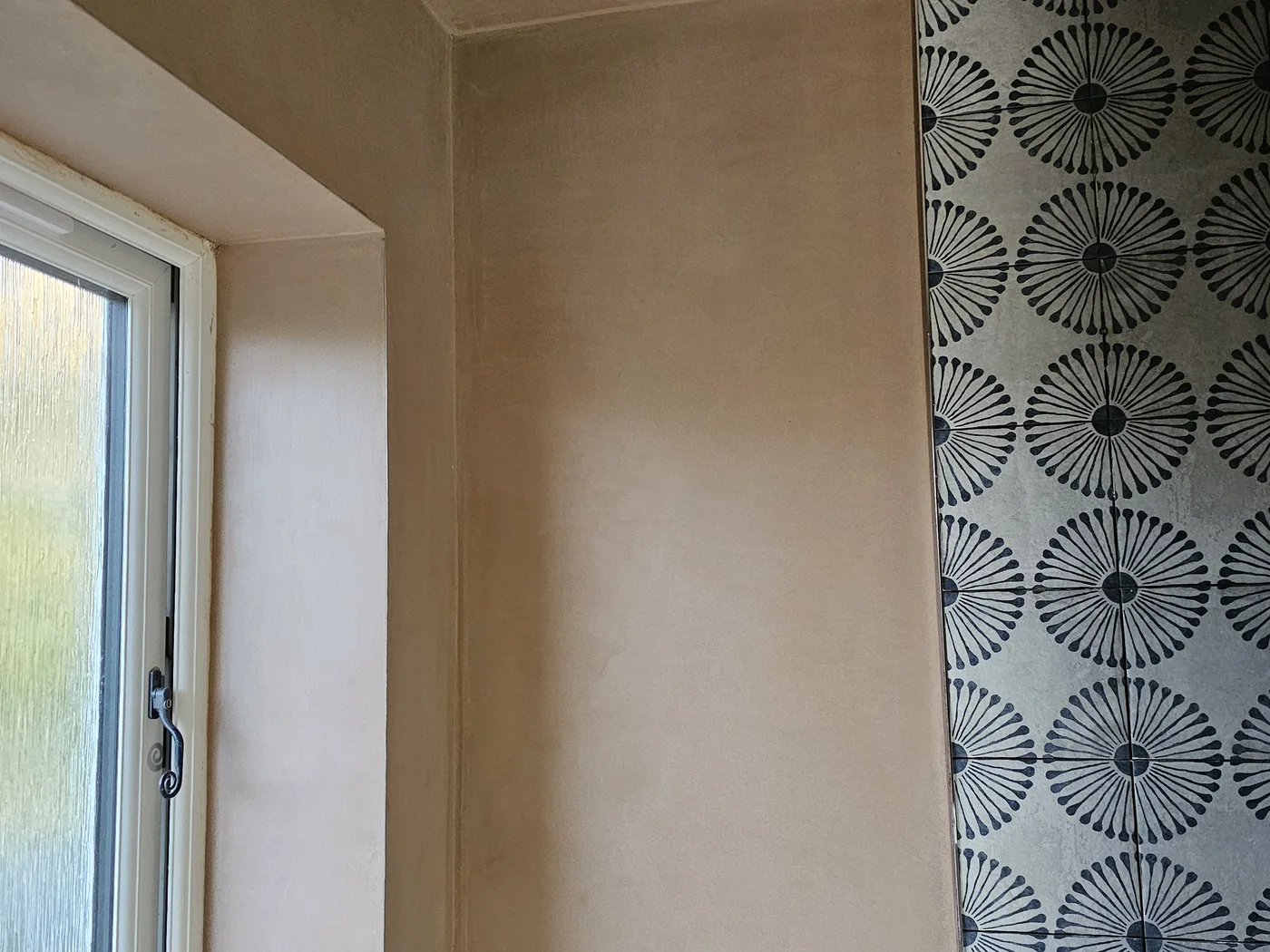
All four end the same way: flat, closed up at the edges, and ready to decorate. What differs is the preparation, and that is where the time and the price go.
How we work
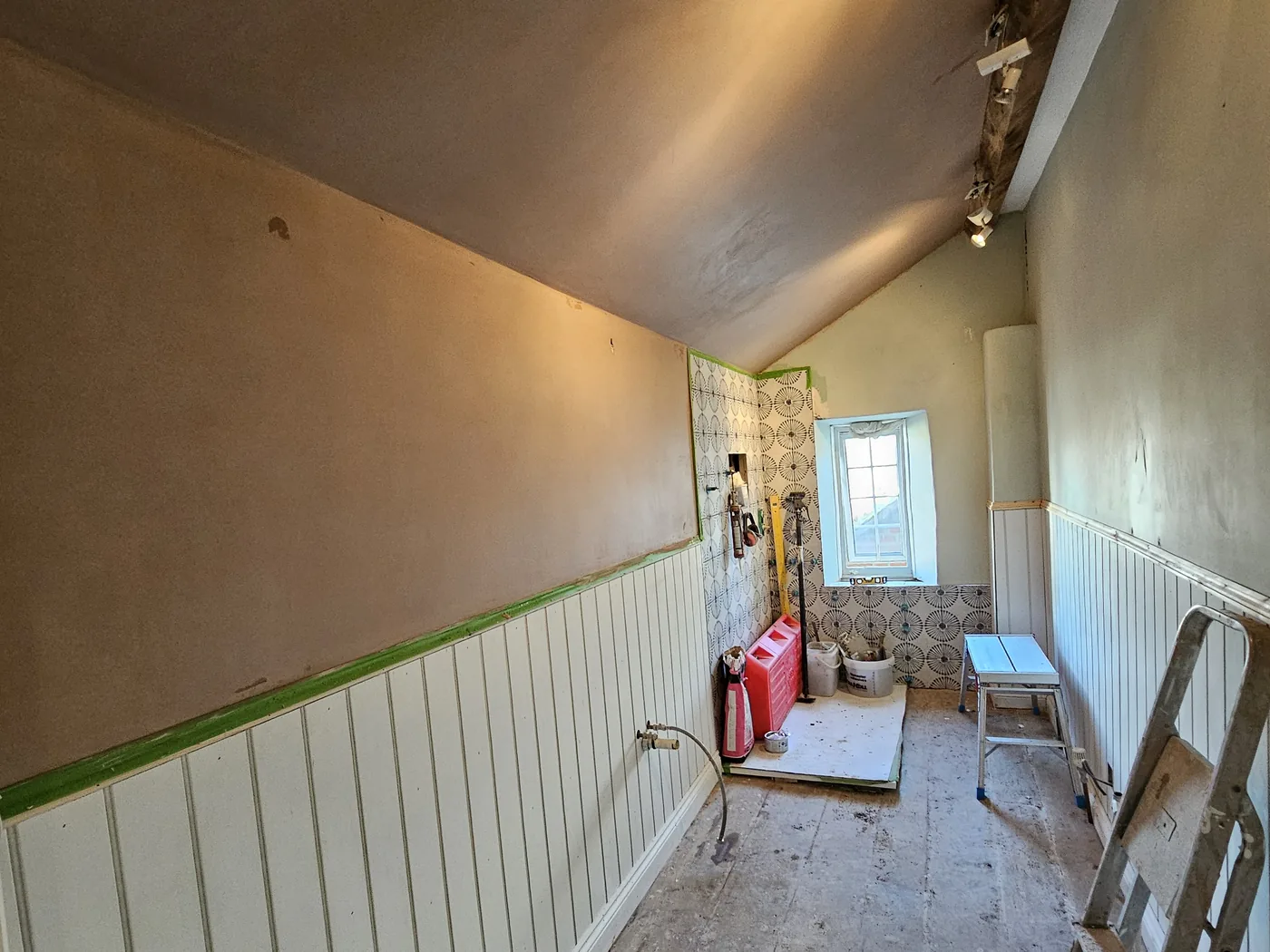
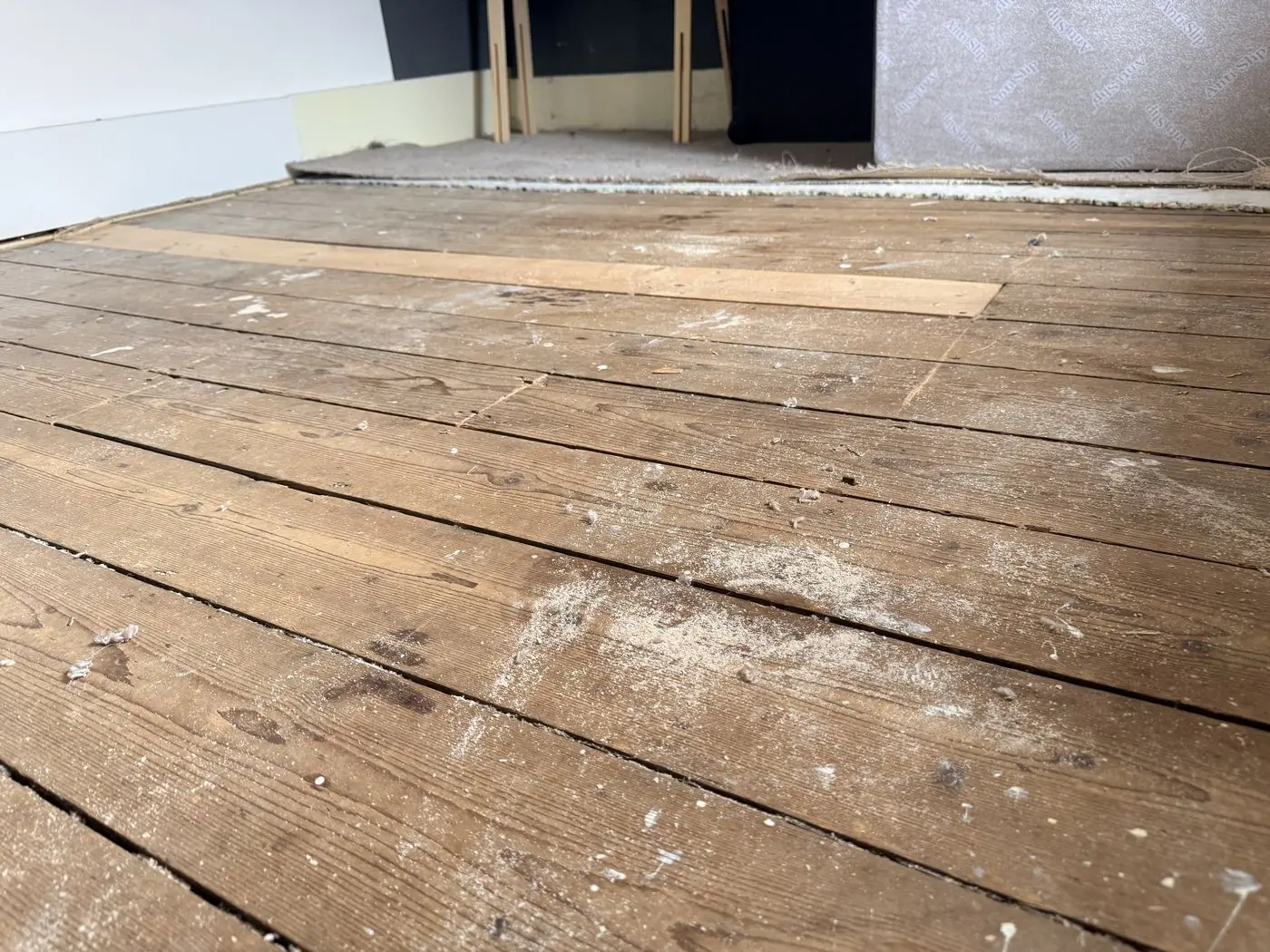
Everything gets covered before a bag is opened. Floors are sheeted, doorways are taped, and the vacuum runs at the source rather than after the event. Old plaster that is coming off comes off properly, not just where it rattles — leaving a blown patch in place because it looked passable is the reason so much of our work is putting right someone else's.
Walls are PVA'd or primed depending on the background, angles are beaded, and the finish is trowelled up in the right number of passes rather than rushed to catch the last bus of the day. The room is swept and the waste taken with us.
Skimming over the top, or taking it back?
If the existing plaster is sound and just tired, skimming straight over it is cheaper and quicker, and the result is the same. If it has blown — you hear a hollow note when you tap it — skimming over the top buys a year at most before the whole lot lets go. We will tell you which one you are looking at during the visit, and you will hear the reasoning rather than the verdict.
When you can paint it
Fresh plaster needs four to six weeks to dry, longer through winter, and the first coat has to be a thinned mist coat worked into the surface. Straight emulsion onto new plaster is why paint peels off in sheets a year later. If you would rather we handled that too, we do — see painting and decorating.
What it costs
Starting figures, fixed in writing after a free visit. Materials at trade rates, listed at cost. Full price list.
Questions we get asked about this
How long does a room take to plaster?
A ceiling is usually a day. A full room, walls and ceiling, is typically two days with a good gap between coats. Boarding out first adds a day.
How long before I can paint new plaster?
Four to six weeks to dry properly, longer through winter, and it needs a thinned mist coat first. Straight emulsion onto fresh plaster is why paint peels later.
Can you plaster over artex?
Usually yes, provided it is sound and not too heavily textured. If it was applied before the year 2000 it may contain asbestos and must be tested before anyone disturbs it — we will not sand or scrape it until that is confirmed.
Do I need to move out?
No. We work room by room, sheet everything and clear up at the end of each day so the house stays liveable.
How much mess is there?
Plastering is wet rather than dusty. The dust comes from taking old plaster off, and that is why extraction and sheeting matter. Floors are covered before we start.